Pets are often an important part of people’s lives and increasingly play a role in decisions about where and how they choose to live.
Historically, however, tenants with pets have sometimes faced more limited choice, with fewer rental properties available to them.
Attitudes across the rental market are evolving and recent changes under the Renters’ Rights Act are bringing greater attention to pet-friendly renting, while creating a more balanced approach for both tenants and landlords.
With more than 35 offices across the capital, Chestertons combines street-by-street local expertise with a connected London-wide network. Our branches work together as one team, helping match tenants with suitable properties across London rather than limiting opportunities to a single postcode.
Moving home can feel stressful and fragmented, particularly for pet owners. Our role is to simplify the process through clear guidance, proactive communication and experienced support at every stage
.jpg)
The Renters’ Rights Act represents one of the biggest changes to the private rented sector in decades and includes important updates around pets in rental properties.
Under the legislation, tenants now have the right to request permission to keep a pet in a rental property and landlords must reasonably consider those requests.
This reflects growing recognition that responsible pet owners are often long-term, committed tenants who treat properties like homes and can contribute to more stable tenancies.
At Chestertons, we are already seeing increasing demand for pet-friendly homes across London.
Our experienced lettings teams work closely with both landlords and tenants to help facilitate practical, informed conversations that support positive long-term outcomes for everyone involved.
Many landlords are becoming more receptive to tenants with pets, particularly where there is transparency, good communication and evidence of responsible ownership.
Benefits can include:
Longer tenancy lengths
Lower tenant turnover
More stable occupancy
Tenants who are emotionally invested in the property
Of course, practical considerations remain important. Some apartment buildings may still have lease restrictions relating to pets, and landlords may have concerns around cleanliness, damage or neighbour complaints.
This is where experienced guidance and careful tenant matching become particularly valuable.

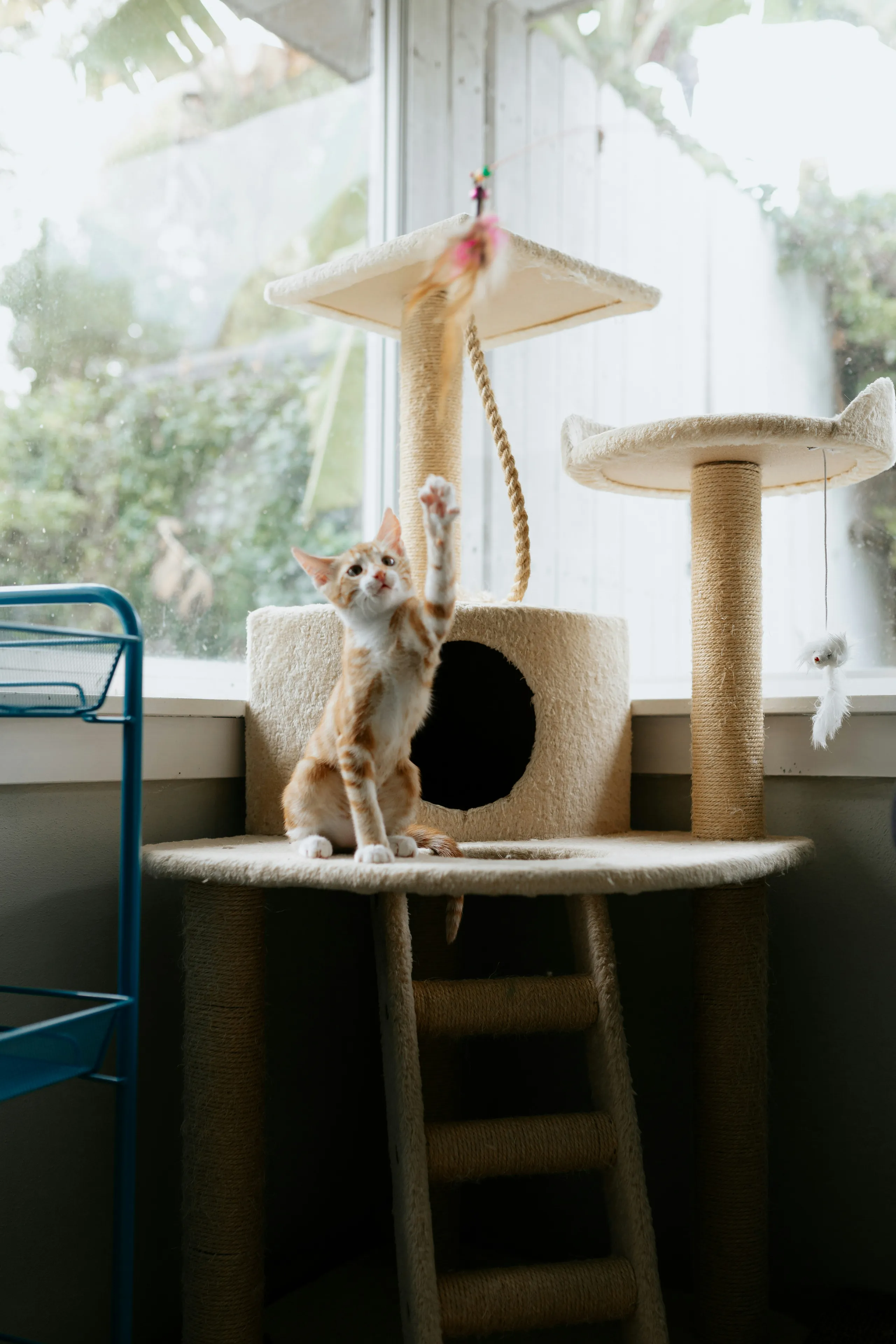
Every move is personal, particularly when pets are involved.
Our teams provide calm, assured guidance throughout the process, helping clients navigate what can often feel like a complicated rental market.
We help by:
Identifying suitable pet-friendly properties across our London-wide network
Advising tenants on how to strengthen applications
Supporting discussions between landlords and tenants
Clarifying any building or leasehold restrictions early
Keeping communication clear and proactive throughout the tenancy process
Being both well-connected and locally focused means we can often identify opportunities that may otherwise be missed.
Start Your Search Early
Pet-friendly properties can still be competitive in some parts of London, so it is advisable to begin your search at least 6 to 8 weeks before your intended move date.
Be Transparent From the Outset
Providing detailed information about your pet early in the process helps build trust and allows agents to identify suitable landlords more efficiently.
Include:
Breed and age
Temperament and training
Vaccination history
Daily routine
Veterinary contact details


Start Your Search Early
Pet-friendly properties can still be competitive in some parts of London, so it is advisable to begin your search at least 6 to 8 weeks before your intended move date.
Be Transparent From the Outset
Providing detailed information about your pet early in the process helps build trust and allows agents to identify suitable landlords more efficiently.
Include:
Breed and age
Temperament and training
Vaccination history
Daily routine
Veterinary contact details
A pet CV can reassure landlords and strengthen your application.
While it cannot guarantee acceptance, it can help demonstrate that your pet is well cared for and suitable for the property.
A good pet CV should include:
A photograph of your pet
Vaccination and health information
Emergency contacts
Previous landlord references
Behaviour or training details
Include a Pet Reference
Where possible, ask a previous landlord to provide a reference, as they are often best placed to recommend both you and your pet as tenants.
Ask them to include:
How long you lived in the property with your pet
Whether you were considered a responsible pet owner
Whether your pet was well behaved
Whether any damage occurred during the tenancy
Whether your pet caused any issues for neighbours

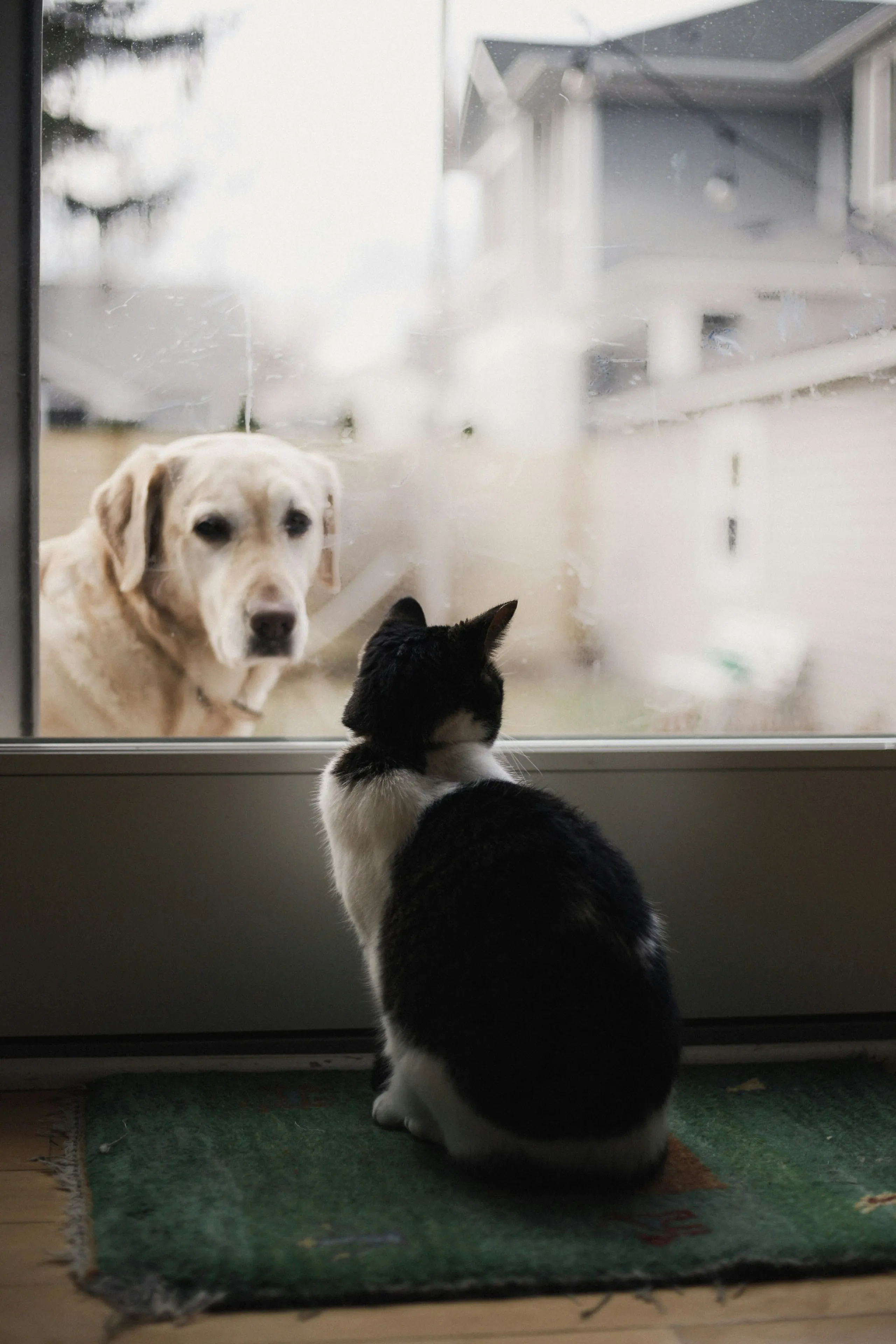
Landlords are often primarily concerned about property condition, neighbour impact and disruption.
Responsible tenants can help address these concerns through openness, references and clear communication.
Providing evidence of previous successful tenancies and showing willingness to discuss practical arrangements can often help build confidence early in the process.
Being a Responsible Tenant With Pets
Successful pet-friendly renting depends on responsible ownership and consideration for neighbours and the property itself. Noise and Behaviour Pets should be appropriately exercised, stimulated and cared for to minimise nuisance behaviour such as excessive barking.
Dogs may bark for a number of reasons including excitement, anxiety or boredom. If behavioural concerns persist, it may be helpful to seek advice from a veterinary professional or behaviour specialist.
Cleanliness and Consideration for Others
Fouling by pets can be a common source of complaints from both landlords and neighbours. Tenants should ensure pets are toilet trained where appropriate and always clean up after pets in communal areas, walkways, shared gardens and external spaces.
Keeping communal areas clean helps maintain positive relationships throughout the tenancy.
Landlords are often primarily concerned about property condition, neighbour impact and disruption.
Responsible tenants can help address these concerns through openness, references and clear communication.
Providing evidence of previous successful tenancies and showing willingness to discuss practical arrangements can often help build confidence early in the process.
Being a Responsible Tenant With Pets
Successful pet-friendly renting depends on responsible ownership and consideration for neighbours and the property itself. Noise and Behaviour Pets should be appropriately exercised, stimulated and cared for to minimise nuisance behaviour such as excessive barking.
Dogs may bark for a number of reasons including excitement, anxiety or boredom. If behavioural concerns persist, it may be helpful to seek advice from a veterinary professional or behaviour specialist.
Cleanliness and Consideration for Others
Fouling by pets can be a common source of complaints from both landlords and neighbours. Tenants should ensure pets are toilet trained where appropriate and always clean up after pets in communal areas, walkways, shared gardens and external spaces.
Keeping communal areas clean helps maintain positive relationships throughout the tenancy.


Damage to properties and furnishings remains one of the main concerns landlords raise when considering pets.
Simple steps can help reduce wear and tear:
Providing scratching posts for cats
Using pet-safe flooring protection
Supervising smaller pets outside cages
Ensuring pets are not left alone for excessive periods
Arranging regular grooming and cleaning
Providing enrichment, exercise and toys
Insurance policies for tenants do not typically cover damage caused by pets, making prevention especially important.
Dogs that are bored or left alone for long periods may be more likely to damage furnishings, while providing suitable enrichment indoors may help reduce unwanted behaviour.
All pet owners have a responsibility to support their pet’s health and wellbeing.
This includes providing:
Adequate food and water
Appropriate exercise
A suitable place to live
Access to veterinary treatment
If you are travelling or away from home, arrangements should be made to ensure pets continue receiving appropriate care, whether through friends, family or professional services.
Responsible ownership supports not only animal welfare but also successful long-term renting experiences.
Looking for a Pet-Friendly Property in London?
Whether you are searching for a pet-friendly apartment, family home or long-term rental, our teams can guide you through the process with clear advice, practical next steps and support when it matters.