
A vibrant part of North London, Islington is a desirable and characterful neighbourhood, blending Georgian architecture, lively high streets, independent culture and excellent transport connections.
Stretching from Angel and Canonbury to Highbury, Barnsbury and Clerkenwell, the borough is a popular place to live thanks to its blend of elegant residential streets, bustling nightlife, and green open spaces combined with a strong sense of community.
Residents are attracted to Islington for its café culture, mix of restaurants, theatres, walks along Regent's Canal, and its proximity to both the City and the West End. The area is particularly popular with professionals, families and creatives looking for a balance between central London convenience
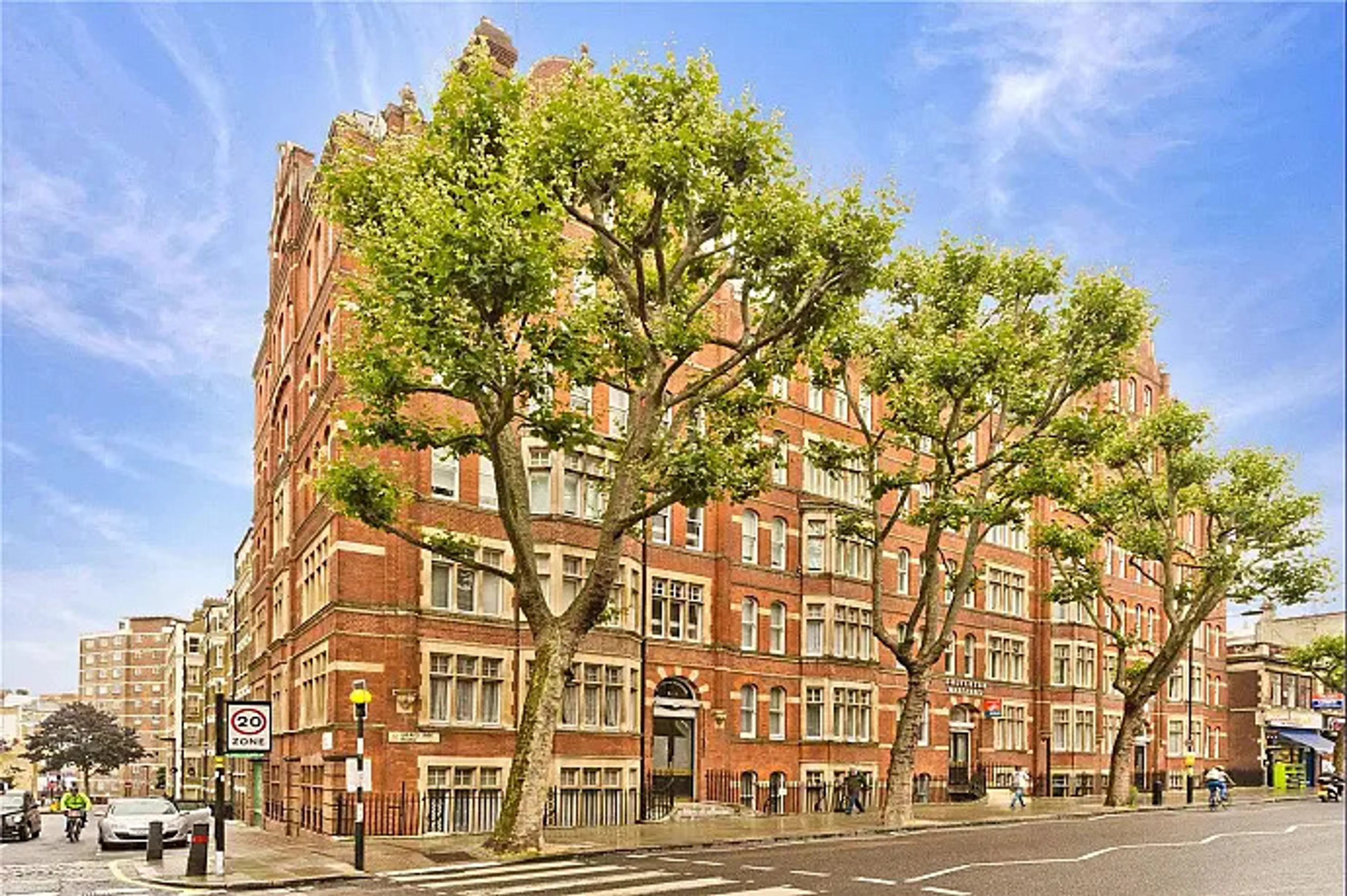
Islington’s history
Islington’s roots date back to Anglo-Saxon England, and while it remained comparatively rural for many centuries, like much of London it was catapulted into modernity through the Georgian and Victorian eras, with industrialisation taking things a step further. That journey is still evident in the area's architecture and abundant character.
Etymology of the name
Islington's earliest mentions appear to be around the Anglo-Saxon period, when it's referred to as Giseldone, then Gislandune, seemingly meaning 'Gisla’s Hill', where it appears to be a wild area of forest and animals. By 1086, it's being referred to as Isendone in The Domesday Book, as the name gradually mutated to today's moniker.
Agriculture to industrialisation
While much of the land seems to have belonged to religious institutions in the Middle Ages, after the dissolution of the monasteries it moved towards private ownership, and then the community grew as it was tamed by agriculture. The real growth seems to have come in the 19th century as industrialisation took hold. The Regent's Canal officially opened in August 1820, turning it into a key industrial transport route, while the advent of the railways also brought development and social change.
Post-war restoration
Its location meant that Islington was badly damaged by bombing during the Second World War, and a programme of rebuilding ensued. Where areas had fallen into disrepair before the war, the devastation created a focus on restoration, with a need for 3,200 houses to be replaced, amongst other aspects of the community. Slum clearance was undertaken in 1967, extending into the 1970s, and over time it has evolved into a vibrant community, rich in independent shops, restaurants, arts venues and attractive housing. Today it has a diverse and multicultural character shaped by generations of migration and creative communities.

Green spaces
Despite being central, Islington has several green spaces that are popular with those who live in the area. Highbury Fields is one of the borough’s best-loved parks, complete with tennis courts, open lawns and children’s play areas. Barnard Park has a meadow and children's playground, while Caledonian Park orbits around a grade II listed Clock Tower. Gillespie Park and Ecology Centre, Paradise Park, and Spa Fields are amongst the other green spaces, while The Regent’s Canal towpath provides a scenic walking and cycling route connecting Islington with King’s Cross, Camden and east London.
Sport
Sport plays an important role in London life, especially in Islington. Whether you're a participant or a spectator, there's lots to enjoy. A key feature is Arsenal Football Club’s Emirates Stadium in Highbury, where match days bring a lively atmosphere. The community encourages sport and leisure, boasting more than 100 clubs, leisure centres, parks, and community centres, whether you want to enjoy archery or crickets, boxing or dance. Amongst the local facilities are Highbury Leisure Centre, Highbury Fields (which has 11 tennis courts, an artificial turf football pitch, netball courts and basketball hoops), and Sobell Leisure Centre.
Entertainment and culture
Islington has a thriving cultural scene and is a real haven for those seeking inspiring entertainment. Sadler’s Wells Theatre is internationally renowned for dance and contemporary performance, while Almeida Theatre is celebrated for its drama productions, Union Chapel is a Grade I listed Victorian church that hosts live events, King’s Head Theatre is one of London's oldest pub theatres, and there are also cinemas and independent art galleries peppered across the area. For example, there's Screen on The Green - an iconic single-screen cinema, known for its red neon-outlined façade, and part of the Everyman Cinema chain.
Eating out
Islington is rich in places to dine out, with a diverse range of independent cafés, gastropubs, fine dining restaurants and more. Upper Street and Exmouth Market are particularly popular for brunch, international fare and cocktail bars, with some of the most popular places including Frederick's, Bellanger, The Pig and Butcher, Cacciari’s Islington, and Granary Square Brasserie. Brother Marcus, Noci, and the flagship branch of chef Yotam Ottolenghi's renowned Mediterranean and Middle Eastern-inspired establishments, are also a treat.
Shops
Islington is a joyful place to shop, offering both high street convenience and independent retail therapy. Angel Central shopping centre is home to well-known brands, while Upper Street and Camden Passage are popular for boutiques, bookshops, vintage stores and antiques markets. Chapel Market is a longstanding local market selling fresh produce, clothing and household goods, and home to inspiring local stores including the likes of After Noah and Molly Meg. There's also Islington Square - an urban village built on the site of a former Edwardian Royal Mail sorting office, blending historic architecture with modern design and offering a mix of shopping, dining, and lifestyle amenities from fitness to cinemas.

Healthcare
Residents in Islington benefit from a wide range of NHS and private healthcare facilities, with numerous GP surgeries, dental clinics and hospitals located in the area and nearby.
Local GP practices
The borough is served by a variety of NHS GP surgeries, including practices around Angel, Highbury, Holloway and Clerkenwell. Many offer online appointment booking, repeat prescription services and extended opening hours. Options include, but are not limited to, Islington Central Medical Centre, Killick Street Health Centre, and Ritchie Street Group Practice.
Local hospitals
Islington is well placed for residents to access hospitals across London. The NHS services are primarily provided by University College Hospital, The Royal Free Hospital and Whittington Hospital, all of which are easily accessible. For private hospitals, The Wellington Hospital, The Harley Street Clinic and the Hospital of St John & St Elizabeth are all located within convenient travelling distance of Islington.
Local dentists
There are numerous NHS and private dental practices throughout Islington, particularly around Upper Street, Essex Road and Angel. They offer services ranging from general dentistry, to orthodontics, cosmetic treatments and emergency appointments. Options include the likes of White & Co Dental, Camberwell Dental Care, Dental Beauty Islington, and Islington Smiles Boutique Dental Spa.
Education
Islington is well-regarded for its schools and education options for all ages, with a wide selection of primary and secondary schools, as well as higher education institutions nearby. As a result, the area attracts families looking to access good state schools as well as independent options.
Primary schools
There are lots of popular primary schools in and around Islington, such as Highbury Day Nursery and Preschool, Islington Square Day Nursery, Les Petites Étoiles Montessori Angel, Thornhill Primary School, Laycock School, and William Tyndale Primary School.
Secondary schools
Secondary schools in Islington and the surrounding area offer a variety of options to choose from. A few of the top recommended schools include City of London Academy, City of London Highbury Grove, Highbury Fields School, North Bridge Senior Academy Canonbury, and St. Mary Magdalena Academy. Highly recommended private schools also include Dallington School, Rosemary Works School, the Scandinavian School, and St. Paul’s Waldorf School.
Specialist or higher education
Islington is close to several respected higher education institutions, including City St George’s, University of London, London Metropolitan University and Central Saint Martins at nearby King’s Cross. The borough’s central location also provides convenient access to universities across London.
There are also a number of specialist education schools in the local area, such as The Richard Cloudesley School for children with complex physical, sensory, medical and learning needs, and The Bridge Trust for children with severe learning difficulties and/or autism.
Transport
Islington is exceptionally well connected, making it popular with commuters and professionals working across London. Residents benefit from Underground, National Rail, Overground, bus, cycling and walking routes, with quick access to the City, Canary Wharf and the West End.
Driving in
As with all areas of London, when it comes to driving, Islington is a busy area. However, it is managed with Low Traffic Neighbourhoods to restrict traffic. It also falls within the Congestion Charge and Ultra Low Emission Zone (ULEZ). However, the A1 runs through Islington via Upper Street and Holloway Road, providing direct routes north towards the M1 and south into central London. Parking generally requires a permit or payment and there are more than 6,500 spaces available.
Walking and cycling
Islington is a highly walkable part of London and getting around on foot or bicycle is encouraged in the local area with restricted traffic areas. Notably, you can walk or cycle to Upper Street from King’s Cross, Clerkenwell, Shoreditch, Hoxton, Canonbury, Highbury, Barnsbury, and other local areas, and the council estimates that 56% of Islington residents walk and cycle regularly to get around. Cycling has become increasingly popular thanks to dedicated cycle routes and paths along the Regent’s Canal. Santander Cycles docking stations are widely available throughout the borough.
Travelling by train
Travelling by train to and from Islington is exceptionally easy, with options that allow you to get just about anywhere. Key stations include Angel Underground Station on the Northern line and Highbury and Islington Station, which provides Victoria line, London Overground and National Rail services. Essex Road, Farringdon and King’s Cross St Pancras are also nearby, offering excellent regional and national connections. As a point of interest, Angel station is famous for having the longest escalators on the London Underground and in the UK.
Travelling by bus
There are lots of bus routes serving Islington, connecting those who live here with the City, West End, Shoreditch, Camden and beyond. Upper Street and Holloway Road are major bus corridors with regular day and night services. In fact, more than 40 bus routes run through the area, including the 38, 73, 19, 4, and 30.
Travelling by boat
Boat trips in Islington take place along the Regent’s Canal, providing trips through the historic 900-metre Islington Tunnel and towards Camden or East London. They're generally more for leisure than commuting, although the canal towpath is also popular with walkers, runners and cyclists, and narrowboat moorings contribute to the area’s distinctive character.
Air travel
Islington offers convenient access to London’s airports. King’s Cross St Pancras provides direct rail connections to Gatwick and Luton airports, while Heathrow can be reached via connections to the Elizabeth line or Piccadilly line. London City Airport is also easily accessible for UK and European travel.