
Nestled between Oxford Street, Regent's Park and Baker Street, Marylebone combines the classic elegance of Georgian architecture so often associated with London, with the convenience of a central location. Long considered one of the capital's most desirable places to live, it offers a distinctive village atmosphere replete with tree-lined streets, independent boutiques, destination restaurants, cultural institutions and excellent transport links.
Here, grand garden squares and period properties meet modern flats and mews houses, making it unquestionably attractive for families, professionals, international travellers and those who want to downsize without moving away from everything a London lifestyle has to offer.
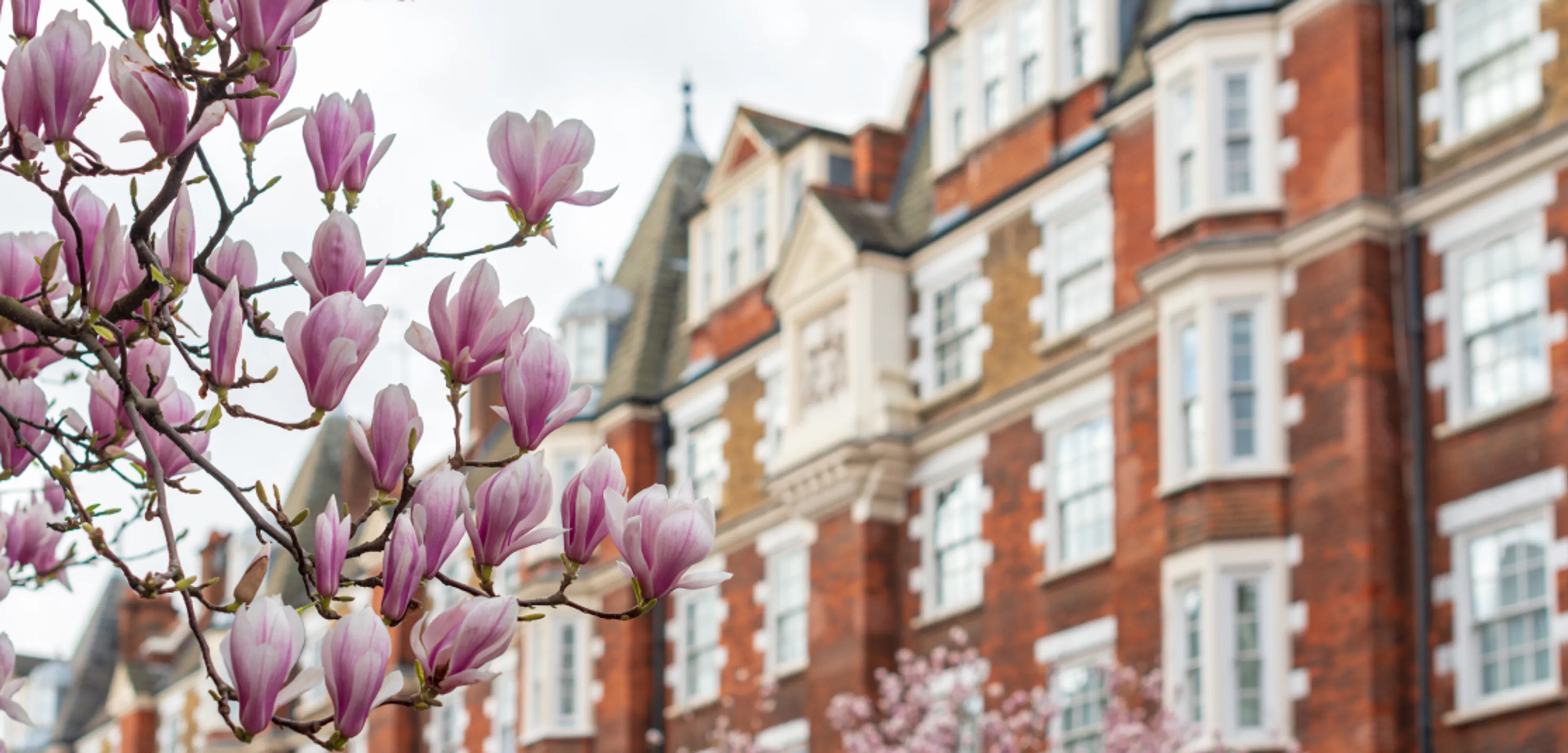
Once a tiny hamlet, Marylebone's history is inextricably tied to its character and charm today. It has had periods of notoriety as well as those of elegant expansion, but its prestige and popularity amongst influential landowners ensured the careful development and planning that made it such a pretty place to live in modern London.
From saints to sinners
Recorded in the Domesday Book of 1086 as the Abbey of St Mary, at that time Marylebone was a tiny hamlet of three villagers, two smallholders, and three cottagers. In 1400 a new church was built, dedicated to the Virgin Mary. Meanwhile, with the location on the banks of the Tyburn river (the Old English for 'river' being 'bourne'), it's said the name gradually evolved to Marylebone. That said, St Marylebone Parish Church also suggests the name changed as residents wished to dissociate themselves with the notorious Tyburn Tree at Marble Arch where criminals were executed. Thus they began referring to it as 'Mary-burn' and ultimately Marylebone.
Georgian expansion
The Georgians can be credited with much of the evolution of Marylebone into the distinct architectural quarter we know today. In 1711 the estate was sold to the Duke of Newcastle who set about developing it, with streets and squares named after family members and wealthy residents - consider Cavendish Square, Harley Street, and Portland Place. Distinctive Georgian terraces were built, creating a clear aesthetic, and for a time gardens played host to concerts and entertainment.
A centre for medicine and learning
Today, perhaps one of the most famous streets in the area is Harley Street, known for its world-class medical practitioners, and that's a tradition that's rooted in heritage. In the early 19th century physicians began settling in the area to be near their aristocratic patients and respective hospitals. Amongst the most famous residents was Florence Nightingale, who opened her practice on Harley Street in 1853.
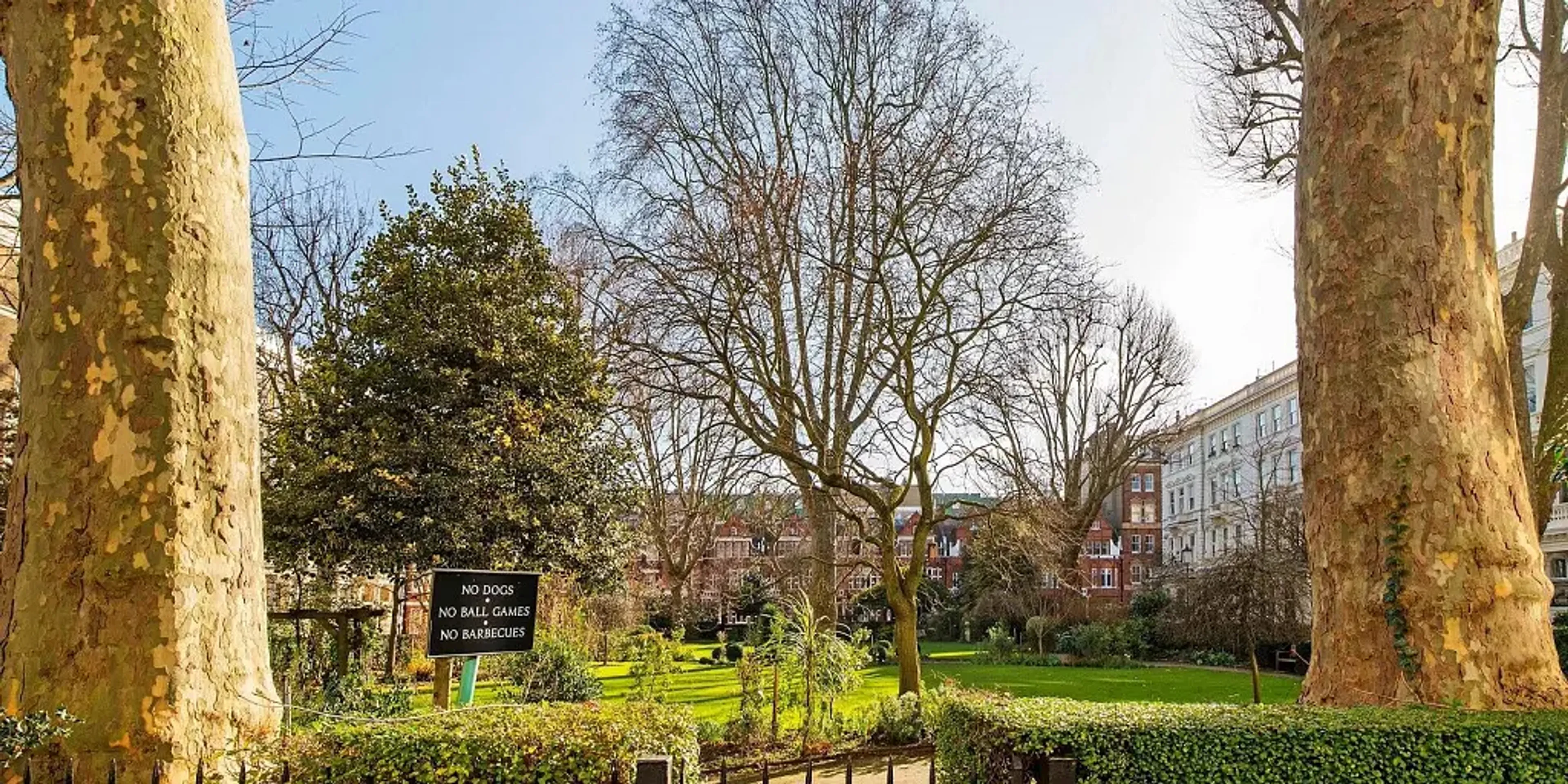
Marylebone has an exceptional range of amenities within walking distance of residential areas, ensuring those who live here benefit from a wealth of independent food shops, cafés, fitness facilities, theatres, museums and green spaces. Neighbouring Fitzrovia, Mayfair and Soho also provide further leisure and cultural opportunities.
Green spaces
One of Marylebone's greatest advantages is its proximity to Regent's Park, spanning more than 400 acres of formal gardens, sports pitches, a boating lake, cafés and the famous Open Air Theatre. Queen Mary's Gardens are famous for their rose collection, while nearby Primrose Hill provides panoramic views across London's skyline. There are also pockets of smaller green space, including Paddington Street Gardens and Manchester Square, which provide quieter places to relax closer to home.
Sport
Marylebone offers lots of sports opportunities for those seeking an active lifestyle. Close by, Lord's Cricket Ground is the 'home of cricket' for inspiration, while Regent's Park provides tennis courts, football pitches, cricket facilities and running routes. Nearby, you will find Seymour Leisure Centre, which has a swimming pool, gym and fitness classes; Sunday Sporting Club offers a bespoke fitness, and private gyms include Third Space Marylebone, Fitness First Marylebone, and BXR Marylebone.
Entertainment and culture
Marylebone is in a fantastic location for exploring the best of London's culture and entertainment. It's home to several of London's most respected cultural institutions, such as The Wallace Collection, which houses one of Britain's finest collections of European art at Hertford House; The Sherlock Holmes Museum on Baker Street celebrates Sir Arthur Conan Doyle's famous detective; and Wigmore Hall is internationally recognised for its classical music programme. When you live here you're close to the West End's wealth of theatres, cinemas and galleries, many of which can be reached on foot, and Madame Tussauds London is the well known wax museum founded in 1835.
Eating out
You're spoiled for choice when it comes to dining out in Marylebone, where the restaurants, cafes, bistros, and bakeries invite you to explore a world of international flavours. Marylebone High Street has plenty to offer, while Chiltern Street has become particularly popular and nearby Edgware Road brings a vibe of its own. The weekly Marylebone Farmers Market on St Vincent Street, Aybrook Street and the top of Moxon Street appeals to amateur chefs, while popular restaurants include Carlotta, 108 Brasserie, Cavita, and Chiltern Firehouse.
Shops
Home to some of the most elegant shopping experiences in London, Marylebone High Street is considered an exceptional shopping destination, known for its combination of independent boutiques and carefully curated national retailers. Browse fashion, homeware, book shops, and specialist food stores, while Selfridges on Oxford Street is a short walk away, as are Bond Street and Regent Street. Favourite stores include Daunt Books, Bella Freud, and the historic Cire Trudon. There are also plenty of shops close by for everyday conveniences.

Healthcare
Healthcare is one of Marylebone's great strengths, with the area internationally recognised for its concentration of private medical specialists, particularly on Harley Street. In addition, residents benefit from access to NHS services and major teaching hospitals within easy reach.
Local GP practices
There are lots of GP surgeries that serve the residents of Marylebone, including both private and NHS clinics. Amongst them, there's Marylebone Health Centre, Baker Street Medical Centre, Cavendish Health Centre, The Mayfair Medical Centre, and more.
Local hospitals
Marylebone is perfectly placed for providing easy access to London's leading hospitals. Amongst the closest are University College Hospital, St Mary's Hospital in Paddington and The Royal London Hospital for specialist care. For private hospitals, Marylebone is the perfect place, with The Princess Grace Hospital, King Edward VII's Hospital, and The London Clinic amongst the numerous Harley Street specialist centres.
Local dentists
Marylebone residents have access to lots of dental practices, particularly around Harley Street, Wimpole Street and Marylebone High Street. For example, there's Harley Street Dental Clinic, Marylebone House Dental Practice, Marylebone Smile Clinic, and Marylebone Dental Care.
Education
Marylebone is well-placed for access to a variety of schools and world-class universities both close by and across London thanks to convenient transport links.
Primary schools
There are plenty of primary schools in the area, with well-regarded options including St Vincent's Catholic Primary School, Hampden Gurney Church of England Primary School and St Mary's Bryanston Square Church of England School.
Secondary schools
Secondary schools serving Marylebone include The St Marylebone Church of England School, Westminster Academy and Harris Westminster Sixth Form. Independent schools nearby include Wetherby School, Wetherby Senior School, Queen's College London and Southbank International School, among others.
Specialist or higher education
Marylebone is ideal for higher education, with the University of Westminster's Marylebone Campus located in the area, while University College London, King's College London and the London Business School are all easily accessible by public transport. The Royal Academy of Music is also situated close to Regent's Park.
For specialist schools in the area, there's Abingdon House Senior School, the St Marylebone CE Bridge School, and Emerson House focusing on dyslexia and dyspraxia.
Transport
Marylebone's central location makes it one of London's best-connected areas, with multiple Underground lines close by as well as extensive bus routes, walkable streets, and it’s within easy reach of National Rail services. Together, they allow residents to travel across the capital (and beyond) with ease.
Driving in
Marylebone sits within London's Congestion Charge Zone and Ultra Low Emission Zone (ULEZ), and as with all parts of central London the roads can be busy, especially during peak hours. Most people who live in the area rely on public transport for day-to-day travel, while the A40 provides relatively direct road access to west London, the M40 and the wider motorway network. Westminster City Council operates controlled parking zones throughout the area and there are car parks like the NCP London Marylebone Road.
Walking and cycling
Much of Marylebone can be explored on foot, with Mayfair, Fitzrovia, Soho, Regent's Park and Oxford Street all within walking distance. It's a charming place to walk, for travel and leisure, and of course there's the Royal Parks to stroll in as well.
Dedicated cycle lanes continue to expand across central London, and Santander Cycles docking stations are located throughout Marylebone. Cyclists can use quieter back streets and get to Hyde Park in around 10 minutes.
Travelling by train
For mainline train services, Marylebone Station provides Chiltern Railways services to the Midlands, Oxfordshire, and Buckinghamshire. Residents also benefit from nearby Paddington, Euston, King's Cross St Pancras and St Pancras International for national and international rail travel. On a more local level, the area is served by Baker Street, Bond Street, Regent's Park, Great Portland Street and Oxford Circus Underground stations, providing access to the Bakerloo, Jubilee, Metropolitan, Circle, Hammersmith & City, Central, Victoria and Elizabeth lines.
Travelling by bus
There are plenty of bus routes connecting Marylebone with the City, Westminster, Camden, Paddington, Victoria and other parts of London, providing a convenient alternative to the Underground for shorter journeys. Key routes include the 2, 18, 453, and 27.
Travelling by boat
Marylebone itself is not on the water, but close by Little Venice provides access to leisure boat trips along the Regent's Canal, including services from the London Waterbus Company to Camden Lock during the warmer months. If you wander over to Westminster Pier or London Eye Pier, you can also take the Uber Boat by Thames Clippers river bus towards Greenwich or Battersea.
Air travel
Heading overseas is easy from central London, with Heathrow Airport accessed directly via the Elizabeth line from nearby Bond Street or Paddington, while Gatwick Airport can be reached via Thameslink or the Gatwick Express from central London. London City Airport is also easily reached by Underground and Docklands Light Railway connections.