
World famous for its combination of grand architecture, green space, and central location, Hyde Park is one of the most prestigious parts of London.
An area centred around one of the capital’s largest Royal Parks, it is replete with elegant stucco-fronted terraces, garden squares and luxury apartments, allowing residents immediate access to the 350-acre Grade I-listed green space. Simultaneously, Oxford Street, Mayfair, Marylebone, Knightsbridge and Paddington are all within walking distance.
With that pedigree, it's perhaps unsurprising that Hyde Park appeals to a broad range of buyers and tenants, from international professionals to families who value the fusion of cultural attractions, easy transport links and pretty community pockets like Connaught Village near Marble Arch.
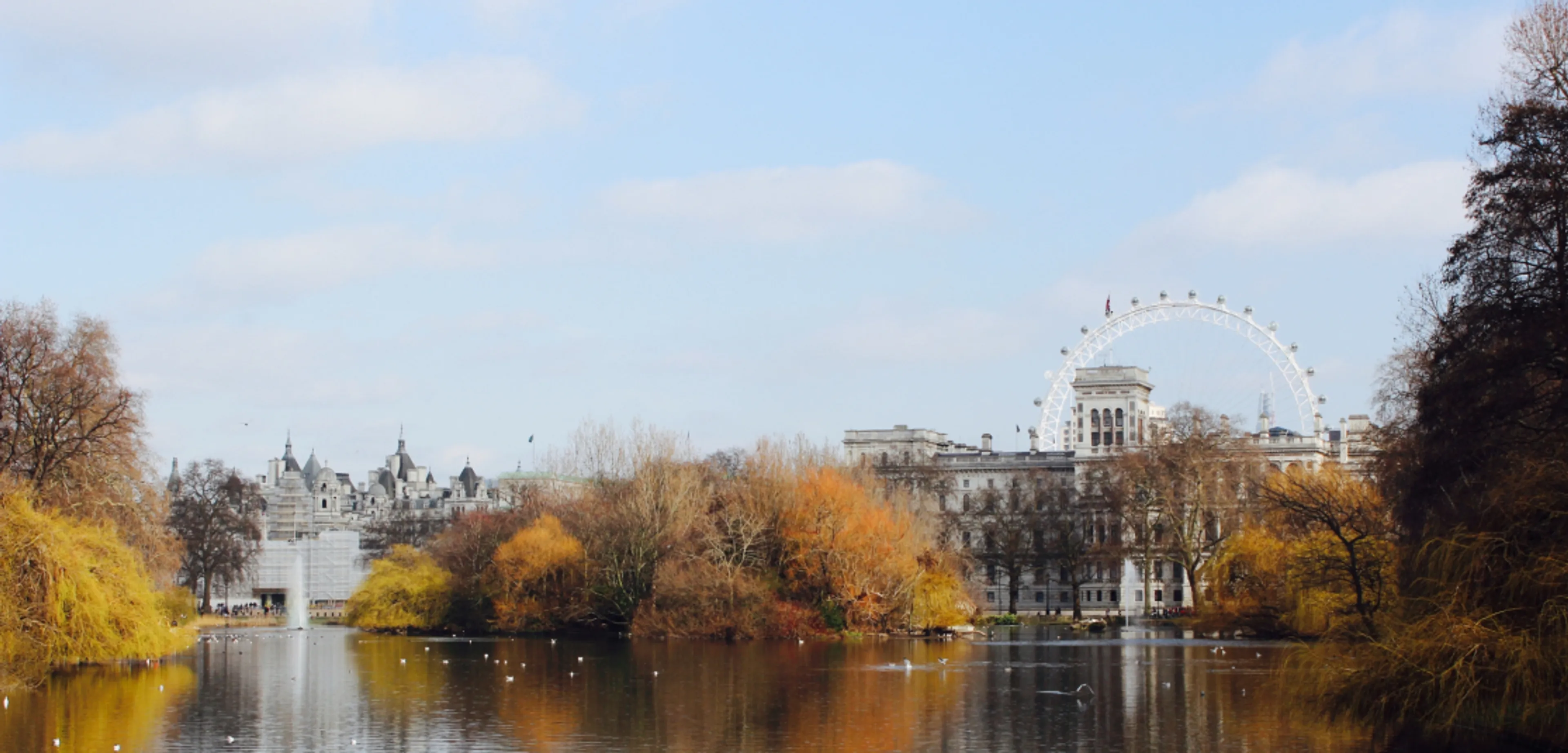
Hyde Park as we know it today is inextricably linked to the evolution of London's capital, the royal family, and one of London's most prestigious areas. Today a world-famous space for everything from recreation to protests and celebrations, it's recognisable the world over and synonymous with London itself. That reputation has been honed across the centuries, and continues to be preserved and valued today - an area that at once evolves and reflects the heritage of the location through its grand Victorian and Georgian architecture, prestigious institutions, and care for wildlife in the heart of the city.
Before the royal park
Before Hyde Park was Hyde Park, history tells us it was most likely forest, and then became a rural manor spanning meadows and woodland. In this guise, it was part of the ancient Manor of Eia, which William the Conqueror granted to Geoffrey de Mandeville in the 11th century. It was then subdivided into three areas - the manors of Neyte, Eubery and Hyde, the latter of which was bequeathed by the baron to Westminster Abbey. That said, some seem to think the name 'Hyde' is a corruption of the Manor of Eia, derived from an Anglo-Saxon term meaning 'island', in reference to marshy land around the River Westbourne which once flowed through the area.
Becoming Hyde Park
Around 1536, along with the dissolution of the monasteries Henry VIII seized a variety of lands and properties, including Hyde Park and turned it into a royal hunting ground. It remained private ground until James I came to the throne in 1603 and opened the gates to courtiers and socialites, giving it an air of exclusivity. It was then King Charles I who opened it to the public in 1637, and across the centuries royals added their own touches. For example, a circular driveway was created for carriages, the ‘Cheesecake House’ was a place where people could purchase refreshments, and in the 1700s Queen Caroline sectioned off around 300 acres to form Kensington Gardens, designing the Serpentine lake before Queen Victoria added the Italian Gardens.
National events and public debate
As time went on, Hyde Park and the area around it became a focal point for national celebrations and public life - a tradition that continues today. In 1814 it hosted the Grand Jubilee to celebrate the end of the Napoleonic Wars, while in 1851 Prince Albert's Great Exhibition was an international showcase of industry at the revolutionary Crystal Palace. The location has also been a focal point for public debate, with nearby Marble Arch home to the renowned Speakers' Corner, which was set aside in 1872 for public speaking, attracting crowds to listen to the likes of Karl Marx, Vladimir Lenin and George Orwell, who exercised their right to free speech. The significance of the location is not lost, given that years before the Tyburn Gallows had been installed close by for public executions, which continued from around 1177 to 1783.
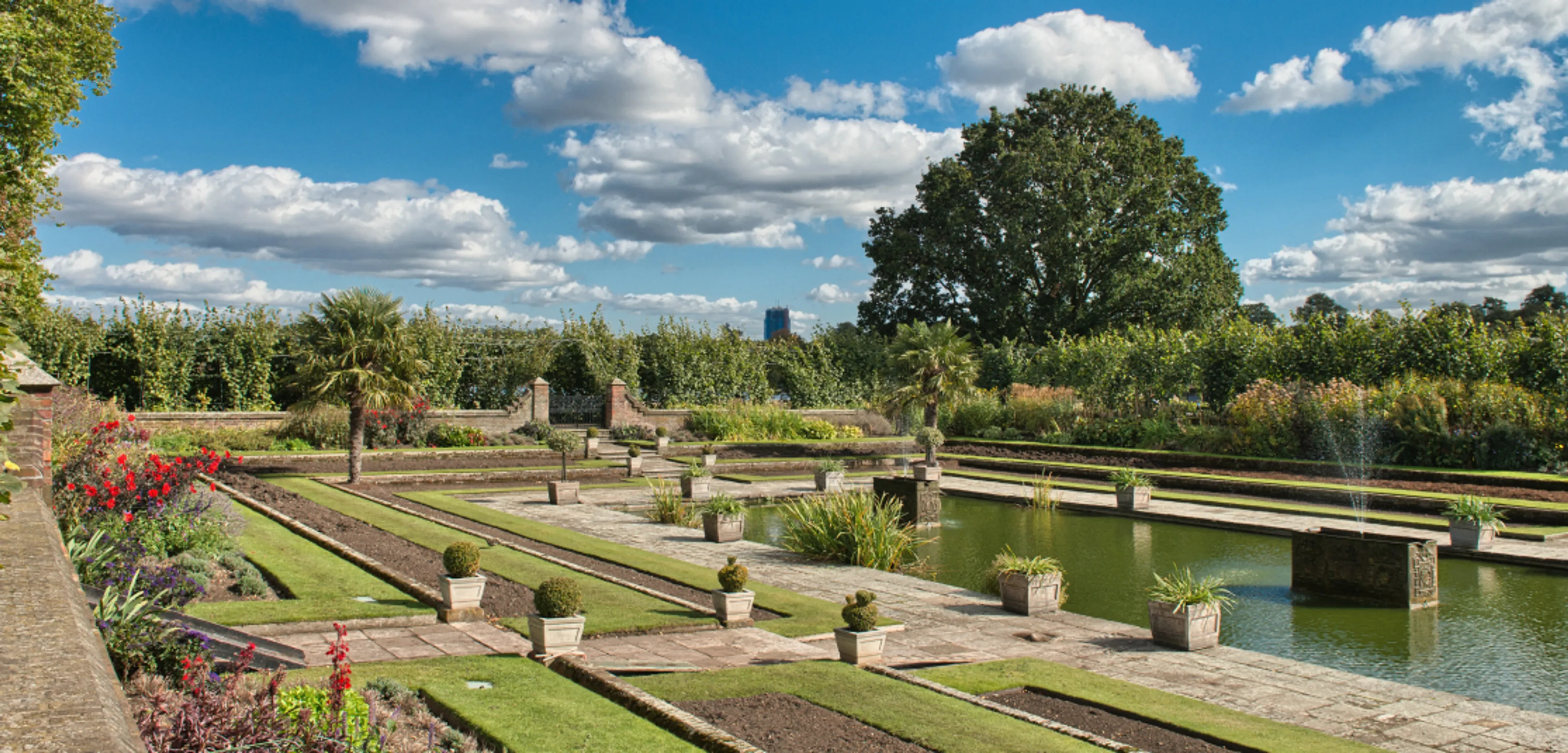
Living in Hyde Park places residents at the centre of some of London's finest cultural and lifestyle amenities. From spectacular museums and luxury shopping destinations to a world of recreational opportunities and acclaimed restaurants, the area offers a level of convenience and variety that few other places can match.
Green spaces
It goes without saying that Hyde Park itself is the area's defining green space, spanning 350-acres of Grade I-listed parkland. Across the vast space, it includes walking and cycling paths, formal gardens, open lawns, sports facilities, and the Serpentine lake so you can enjoy boating, swimming, horse riding, tennis and seasonal events throughout the year. The outdoor space is not limited to this one park, however, with Kensington Gardens adjoining it to the west, creating an even larger expanse of green space stretching towards Kensington Palace and including the Diana, Princess of Wales Memorial Playground. Green Park is a favourite place to stroll near Buckingham Palace, as is St James's Park with its beautiful lake.
Sport
Hyde Park is the go-to location for a range of sporting opportunities, featuring tennis courts, padel courts, horse riding at Hyde Park Stables, running routes and cycling paths. The Serpentine Lido provides open-water swimming during the summer months, while the Serpentine Swimming Club is one of the UK's oldest open-water swimming clubs, and is open from May to September - you can also hire a pedalo or rowing boat. Beyond the park itself, there are private health clubs, gyms and wellness facilities spread across Mayfair, Knightsbridge and Paddington.
Entertainment and culture
The Hyde Park area is surrounded by some of London's leading cultural attractions, from events and festivals hosted in Hyde Park itself, like Winter Wonderland and BST Hyde Park, to The Serpentine Galleries, which present contemporary art exhibitions within the park. Meanwhile, nearby South Kensington is home to the Natural History Museum, Science Museum and Victoria and Albert Museum, and the West End's theatres, concert venues and entertainment districts are also within easy reach, either on foot or by public transport.
Eating out
Living around Hyde Park you could not be better placed for accessing some of London's finest dining establishments, whether you're looking for a morning coffee or Michelin Star dinner. Connaught Village is home to independent cafés, bakeries and neighbourhood restaurants, while nearby Marylebone, Mayfair and Knightsbridge are awash with opportunities to explore. Amongst the favourites you will find the Serpentine Bar & Kitchen, The Lodge Café at Hyde Park Corner, CÉ LA VI London in Paddington, The Rosebery at Mandarin Oriental Hyde Park, Park Restaurant at Royal Lancaster London, Sunday in Brooklyn Marylebone, and Rosi at The Beaumont Mayfair.
Shops
When it comes to shopping there really isn't anything you can't access within easy reach of Hyde Park, whether it's everyday items or luxury retail. There are independent stores and specialist food shops in Connaught Village and Bayswater, while Oxford Street and Regent Street are within walking distance, providing access to some of the best-known destinations like Harrods and Harvey Nichols, while Marylebone High Street offers a popular mix of independent boutiques and national brands.

Healthcare
Healthcare around Hyde Park is well provided for, with residents well-served by a combination of NHS and private healthcare practices. The area's central location means that several of London's leading hospitals and specialist medical facilities are easily accessible.
Local GP practices
GP practices serving the area include the likes of The Connaught Square Practice, Grand Union Health Centre, Kensington Park Medical Centre, and The London General Practice. Additional services are available throughout Paddington, Marylebone and Bayswater.
Local hospitals
There are both NHS and private hospitals around Hyde Park, while the area also places residents in close proximity to London's leading specialist institutions. NHS care is centred on St Mary's Hospital in Paddington, a major teaching hospital operated by Imperial College Healthcare NHS Trust and providing accident and emergency services, specialist care as well as a wide range of outpatient facilities. There's also University College Hospital, and Royal Brompton Hospital. For private hospitals, you can access leading facilities in nearby Marylebone and central London, including The Princess Grace Hospital.
Local dentists
A wide selection of NHS and private dental practices operate throughout Hyde Park, Lancaster Gate, Bayswater and Marylebone. Residents can choose from general dentistry providers as well as specialist orthodontic, cosmetic and implant clinics located nearby. For example, there's The London Centre for Implant and Aesthetic Dentistry, Harley Street Dental Clinic, and Hyde Park Dental Clinic.
Education
Families considering Hyde Park as a place to live benefit from access to a wide selection of state, independent and higher education institutions. The area's central location also places many of London's most respected schools within a short commute.
Primary schools
There's a combination of state and independent primary schools around Hyde Park including Hallfield Primary School, Christ Church Bentinck CofE Primary School, Hampden Gurney CofE Primary School, St. George's Hanover Square Primary School, and St. Mary's Bryanston Square CofE School.
Secondary schools
Secondary schools in Hyde Park and the surrounding area include a variety of acclaimed institutions, from Westminster Academy, Paddington Academy and Harris Westminster Sixth Form, to Francis Holland School, Wetherby Senior School, Queen's College London.
Specialist or higher education
Residents around Hyde Park are in an exceptional location for accessing the capital's world-leading universities and higher education institutions. Amongst the closest are University College London, Imperial College London, University of London, and Regent's University London. The Royal College of Art and the Royal College of Music are located nearby in South Kensington, while The London School of Economics and King's College London are also easily accessible.
For those seeking specialist education for specific learning difficulties, options include Abingdon House School, College Park School, Cavendish Education, and Swiss Cottage School, Development & Research Centre.
Transport
One of Hyde Park's greatest advantages is its connectivity. Residents can reach the City, the West End, Canary Wharf, Heathrow Airport and the majority of London quickly and conveniently either on foot or using public transport.
Driving in
Hyde Park is in the heart of London, so it's as busy as you might expect when it comes to driving. It means navigating the Congestion Charge Zone and the Ultra Low Emission Zone (ULEZ), using major routes including Park Lane, Bayswater Road and the A40. Such key routes give you access across London towards the M40. Parking isn't generally available on the roads, but there are public car parks around including pay-and-display parking bays located on West Carriage Drive, Q-Park Marble Arch, and Q-Park Park Lane.
Walking and cycling
It’s a great pleasure to be able to reach lots of central London destinations on foot from Hyde Park, including Mayfair, Marylebone, Knightsbridge, Paddington and Oxford Street. Crucially, the park itself provides traffic-free walking and cycling routes, making active travel particularly attractive for local residents. There are designated cycle tracks and roads, including the Serpentine Road, North Carriage Drive, West Carriage Drive, bike hire from Santander Cycles, and popular walking routes such as the Diana Princess of Wales Memorial Walk or the Serpentine Bridge Circular.
Travelling by train
Travelling by train is one of London's great assets, and Hyde Park offers some of the best access around. For National Rail services, the London Underground, and direct Heathrow Express trains to Heathrow Airport, Paddington Station is one of London's major transport hubs, sitting within walking distance of much of the Hyde Park area. Meanwhile, Lancaster Gate, Knightsbridge, Marble Arch and Hyde Park Corner Underground stations also enhance connectivity.
Travelling by bus
A London bus going past Marble Arch and Hyde Park's other landmarks is a movie-worthy scene, and travelling by bus remains one of the most convenient ways to get around each day. There are numerous routes taking you across all parts of the city, including those that stop at top attractions like Hyde Park Corner, Marble Arch, and Royal Albert Hall.
Travelling by boat
Although not a commuter transport option, the Serpentine offers seasonal boating and recreational water activities within Hyde Park. For river bus services, you can reach Thames Clippers routes from nearby piers along the River Thames, including Westminster and Embankment.
Air travel
Heathrow Airport is particularly convenient thanks to the Heathrow Express from Paddington Station, which provides a direct rail connection. The Elizabeth line also offers direct services to Heathrow, while Gatwick Airport can be reached via central London rail connections.