
A place of opera and Eliza Doolittle's flower girl in My Fair Lady, ballet dancers and cobbled streets, Covent Garden is one of the most famous and atmospheric parts of London, brimming with history, culture, and entertainment. In the heart of everything that the city has to offer, it's also a little world of its own - one that epitomises the heritage and magic that's intrinsic to London's reputation around the world. For the lucky few, this special quarter is the place they call home. Here's what you need to know.
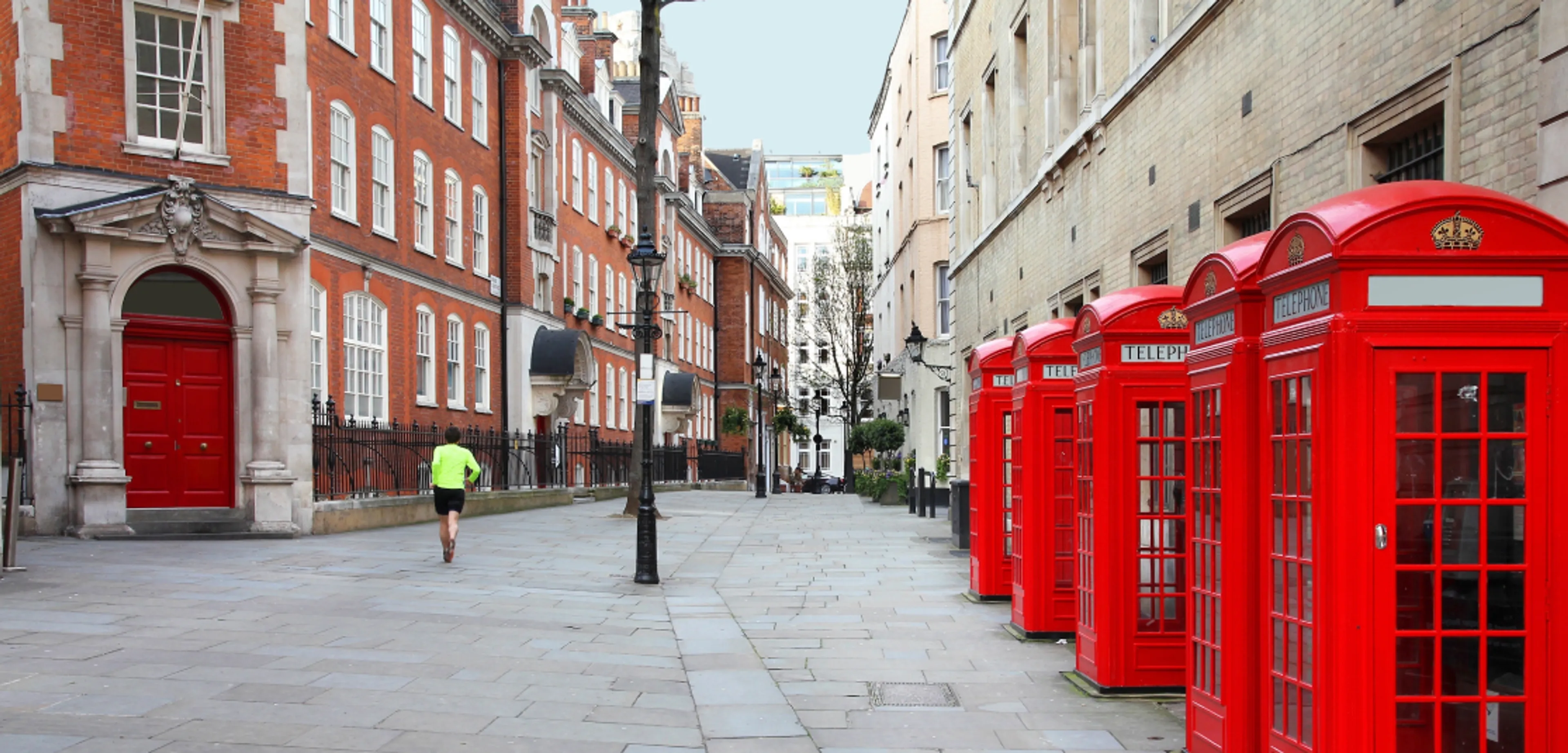
Covent Garden’s History
Covent Garden’s evolution from a monastic garden to a global cultural destination is central to its identity today. Its layered history is visible in its architecture, street layout and enduring beauty - a distinct part of London, it’s unmistakable in character and charm.
After the fall of the Romans
In a time before the Covent Garden we know today existed, we had Ludenwic - literally meaning 'London trading town' - and it became known as the centre of early medieval London. In the wake of the collapse of the Roman empire, people started their own town outside the city walls, and it flourished along the Strand from around 600 CE. While it's not a name many know today, it survived around 250 years, disappearing when the Vikings arrived, and in its time was described as the 'metropolis of the East Saxons' by The Venerable Bede.
A 13th-century convent garden
The name that's so famous today is in fact a corruption of the area's original use as a 'convent garden' around the beginning of the 13th century, when the area was used as a burial-place to the abbots of Westminster. Totalling seven acres (today's Long Acre), the pastureland was out of sight, and was otherwise a combination of orchard and meadows.
Grand designs
By the 17th century, Covent Garden had undergone a transformation into a bustling piazza. Taking inspiration from Italy, notably the Tuscan port of Livorno, it was the vision of the fourth Earl of Bedford, who commissioned architect Inigo Jones to develop the land. So ensued a square surrounded by arcaded, high-end townhouses for high society. Over time, informal fruit and vegetable stalls cropped up, and by 1670 a more formal market began to emerge, evolving into permanent stores. While the area fell into disrepute for a time, this development ultimately laid the groundwork for the Covent Garden we know and love today - a place of ongoing trade, entertainment, and architectural beauty.

Covent Garden offers a vast range of amenities, both in the immediate area and within walking distance. Those who live here enjoy a lifestyle where convenience and entertainment are all on your doorstep, built into the neighbourhood and done in style.
Green spaces
Despite being in the centre of London, Covent Garden is within easy reach of several well-loved green spaces. Lincoln's Inn Fields is a popular choice for open lawns and family outings, while Victoria Embankment Gardens provides a quieter riverside setting. Slightly further afield, St James's Park is well known for its expansive greenery and scenic walks, while Drury Lane Gardens are a pocket of greenery and playground entertainment. St. Paul's Church Garden is right in the heart of Covent Garden itself, and Phoenix Garden is a peaceful community garden with ponds, seating and herbaceous borders behind the Phoenix Theatre.
Sport
Fitness options are plentiful around Covent Garden - go for a jog or a walk along the Embankment, or pop into one of the many boutique studios, gyms and wellness spaces in the area. For example, there's Fitness First on The Strand, Jubilee Hall Gym right in Covent Garden's piazza, Nuffield Health gym, Virgin Active, and the health club at One Aldwych.
Entertainment and culture
Covent Garden is synonymous with culture and entertainment. At the heart of it all is The Royal Opera House, famous as the home of two world-famous companies - The Royal Opera and The Royal Ballet, while more than 20 West End theatres operate in its orbit, such as Theatre Royal Drury Lane and the Lyceum Theatre. Street performers dazzle as you go about your day, while art galleries and museums are immediately available. The National Gallery is at Trafalgar Square, for example, and The British Museum is on Great Russell Street.
Eating out
Covent Garden is a beautiful place to eat out, with options ranging from casual cafés and family-friendly restaurants to refined dining, traditional pubs, and dedicated pre-theatre menus. In addition to the main square there are lots of little side streets with independent restaurants tucked away, while areas like Seven Dials and Soho offer plenty of choice. Favourites include New York-style French brasserie Balthazar, Barrafina Covent Garden for tapas, and the original style haven, The Ivy.
Shops
Everyday shopping is straightforward around Covent Garden, with supermarkets, independent retailers and specialist food stores all nearby. Covent Garden is also a beautiful place for retail therapy, with lots of high-end brands and unique boutiques along little side lanes, and streets like Long Acre. The historic market building is home to brands like Penhaligon’s and Ladurée, and there are markets featuring arts, crafts, antiques, and specialty foods, notably Covent Garden’s Apple Market.

Healthcare
Healthcare services around Covent Garden are readily available, with the area providing superb access to lots of London's world leading hospitals and medical experts.
Local GP practices
GP surgeries in and around Covent Garden span NHS and private practices, including the Covent Garden Medical Centre and The Newton Medical Centre, which are the closest. Private clinics include the Mayfield Clinic and HCA Healthcare.
Local hospitals
There are several hospitals near Covent Garden, with University College Hospital on Euston Road and Great Ormond Street Hospital in Bloomsbury being the closest, while St Bartholomew's Hospital is within walking distance or a short taxi ride away. For private healthcare, facilities such as The London Clinic and King Edward VII's Hospital are within easy reach.
Local dentists
A variety of private and NHS dental practices are available in Covent Garden and the surrounding area. Examples include Temple Dental, Marylebone Smile Clinic, Zentel, Bespoke Smile, Covent Garden Aesthetic Clinic, and Covent Garden Dental Spa.
Education
Covent Garden is well positioned for accessing excellent educational institutions at all levels, making it attractive for families and students alike, including those looking to study higher education in one of the most elegant parts of London.
Primary schools
There are lots of well-regarded primary schools within a short distance of Covent Garden, offering both state and independent education, as well as catering to a range of educational preferences. St Clement Danes is an outstanding Primary School and Nursery, while St Joseph's is a Catholic school providing a caring, stable, intellectually and creatively stimulating environment for children. There's also Christopher Hatton Primary School in Clerkenwell and Argyle Primary School in King's Cross.
Secondary schools
Secondary schools in central London are easily accessible, with prestigious options within easy reach of Covent Garden. Examples include Westminster High School, Westminster City School for boys, and The London Nautical School.
Specialist or higher education
Covent Garden is in an incredible location for higher education, with the closest universities including the likes of University College London and King's College London, as well as famous arts colleges Chelsea College of Arts, University of the Arts London, and The Royal College of Art amongst some of the most prestigious.
There are lots of specialist educational support opportunities across London as well, many within easy reach of Covent Garden. Amongst them, Kestrel House School, Cavendish Education, Meadow Bridge School, and The Holmewood School Lower School.
Transport
Transport is one of Covent Garden’s strongest advantages, supporting both daily commuting and wider travel across London and beyond.
Driving in
Driving around Covent Garden is challenging as it's one of the busiest parts of London. It's within the Congestion Charge zone, but there is parking available, with Q-Park Covent Garden on St Martin's Lane, NCP London Covent Garden on Parker Street, and Shelton Street public car park.
Walking and cycling
Walking around Covent Garden is one of the most convenient ways to get around, also giving you the opportunity to take in the architecture and the cobbled streets. The area is undergoing improvements to support better cycling routes, including wider pavements, restricted traffic areas and dedicated cycle tracks.
Travelling by train
Getting to and from Covent Garden on the London Underground is incredibly easy, with Covent Garden Station on the Piccadilly line. Other major stations are within walking distance, including Charing Cross and Waterloo for national rail services, while Leicester Square (on the Northern and Piccadilly lines) and Holborn (on the Central and Piccadilly lines) are also close by.
Travelling by bus
There's an abundance of bus services running through Covent Garden, connecting it to areas including Waterloo, Paddington, Oxford Circus and the City, ensuring reliable transport at all hours. Major routes include the 9, 13, 15, 23, 139, 153, and 24, stopping at nearby Trafalgar Square, Aldwych, or Tottenham Court Road. The key stop for the market is Southampton Street, served by buses 9, 15, 139, and more.
Travelling by boat
Riverboat services are a wonderful way to travel around London, and the closest to Covent Garden is the easily accessible Embankment Pier on the north side of the river near Charing Cross Station.
Air travel
Covent Garden makes it incredibly easy to get to some of the UK's major airports. London City Airport is the closest, while Heathrow is accessible by public transport. Gatwick, Luton, Stansted, and Southend can also be reached by train.