
Famous for its UNESCO-listed Royal Botanic Gardens, Kew in South West London is a popular place to live thanks to its village atmosphere and leafy, riverside location. Part of the Borough of Richmond upon Thames, it’s steeped in history but also quietly contemporary, blending modern London living with a calmer pace of life.
Amongst the elegant green spaces and well-connected streets, residents delight in architectural inspiration, independent cafés and restaurants, and a strong sense of community, all within easy reach of central London. For these, amongst many other reasons, it’s a wonderful place to live at all stages of life, attracting young professionals, families, and those seeking an active retirement.
Typically, this is a part of London that people move to and stay in for a long period of time, adding to that sense of community, whether buying or renting. It offers a combination of flats and maisonettes near Kew Gardens, family houses near Kew Green, and well-located streets such as Pagoda Avenue, Beaumont Avenue, and Selwyn Avenue which are especially convenient for accessing green space and nearby Richmond.
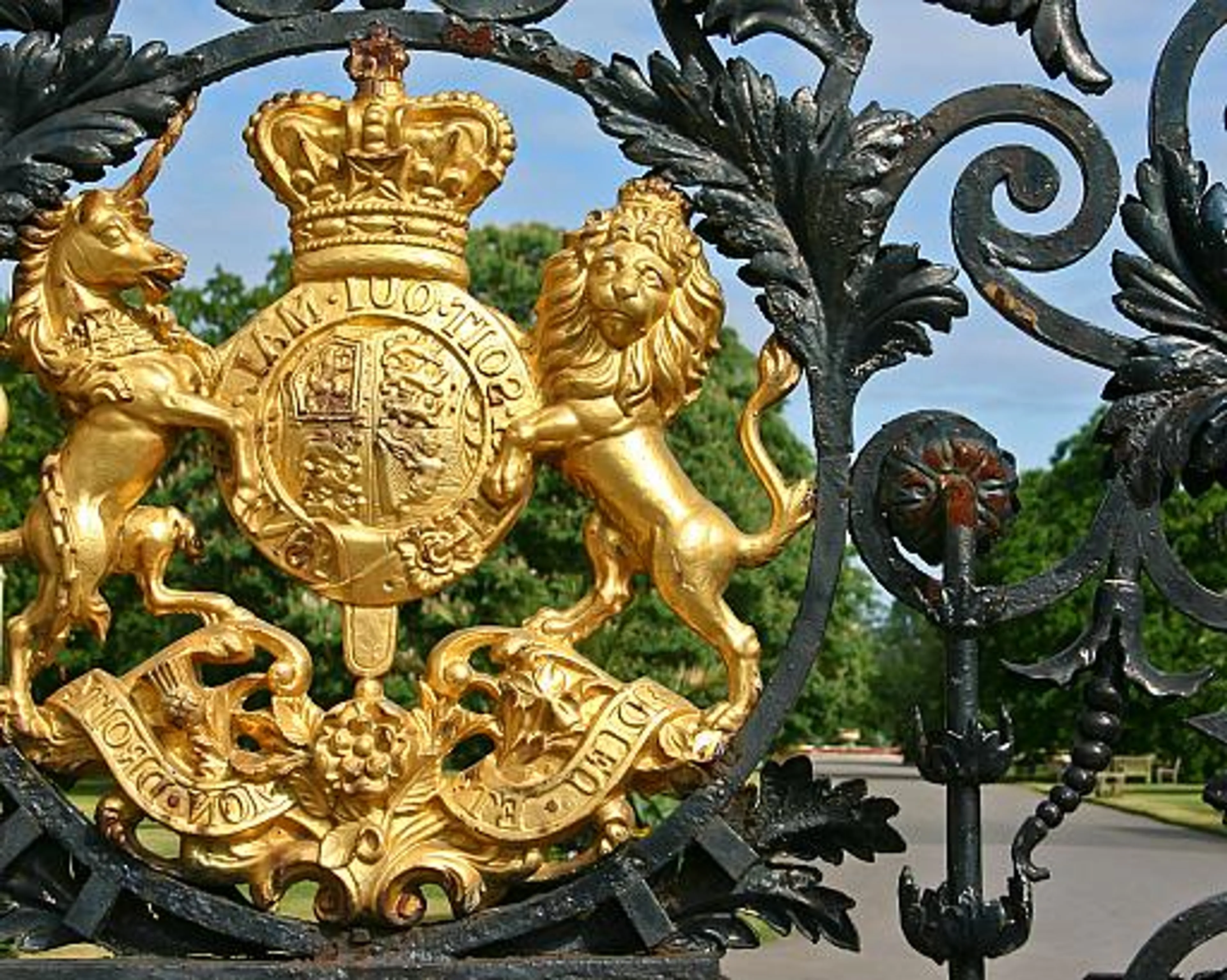
Kew’s identity has been shaped by centuries of royal influence, horticultural innovation and village development, all of which remain an integral part of its character and charm today. From a medieval hamlet to a fashionable place for courtiers, it’s a uniquely elegant part of London.
An unassuming hamlet
The earliest records of Kew seem to appear in the reign of Henry VII, when it was variously written as Kayhough, Kayhowe, Kayhoo, Keyhowe, Keye, Kayo, and Kewe, according to British History Online. They hypothesise that the name derived from the word 'quay', and at the time it was considered a hamlet to Kingston when it was mostly an arable area. Amusingly, the records suggest that the soil wasn't considered suitable for royal gardens at the time - in stark contrast to its best-known attraction today.
Aristocrats and evolution
Over time, the aristocracy made their way to Kew as it became increasingly fashionable amongst society's elite. Dutch House, now known as Kew Palace, was built in 1631, and in the 18th century Frederick, Prince of Wales, and his wife Augusta transformed the area into a prominent royal estate, ultimately leading to the development of Kew Gardens.
Horticultural excellence
The development of Royal Botanic Gardens (Kew Gardens) marked a seismic shift in the reputation of Kew as an area. Founded in 1759, they grew rapidly, complete with the iconic Palm House completed in 1848. It became a national botanical institution in 1840, and has continued to expand and evolve in reputation and scope. Today, it is a UNESCO World Heritage site of immense global significance, and holds the largest and most diverse botanical and mycological collections in the world. That includes the Millennium Seed Bank, which holds over 10% of the world's wild plant species, the largest and most diverse botanical and mycological collections in the world, and continuous research and action to tackle biodiversity loss and climate change.
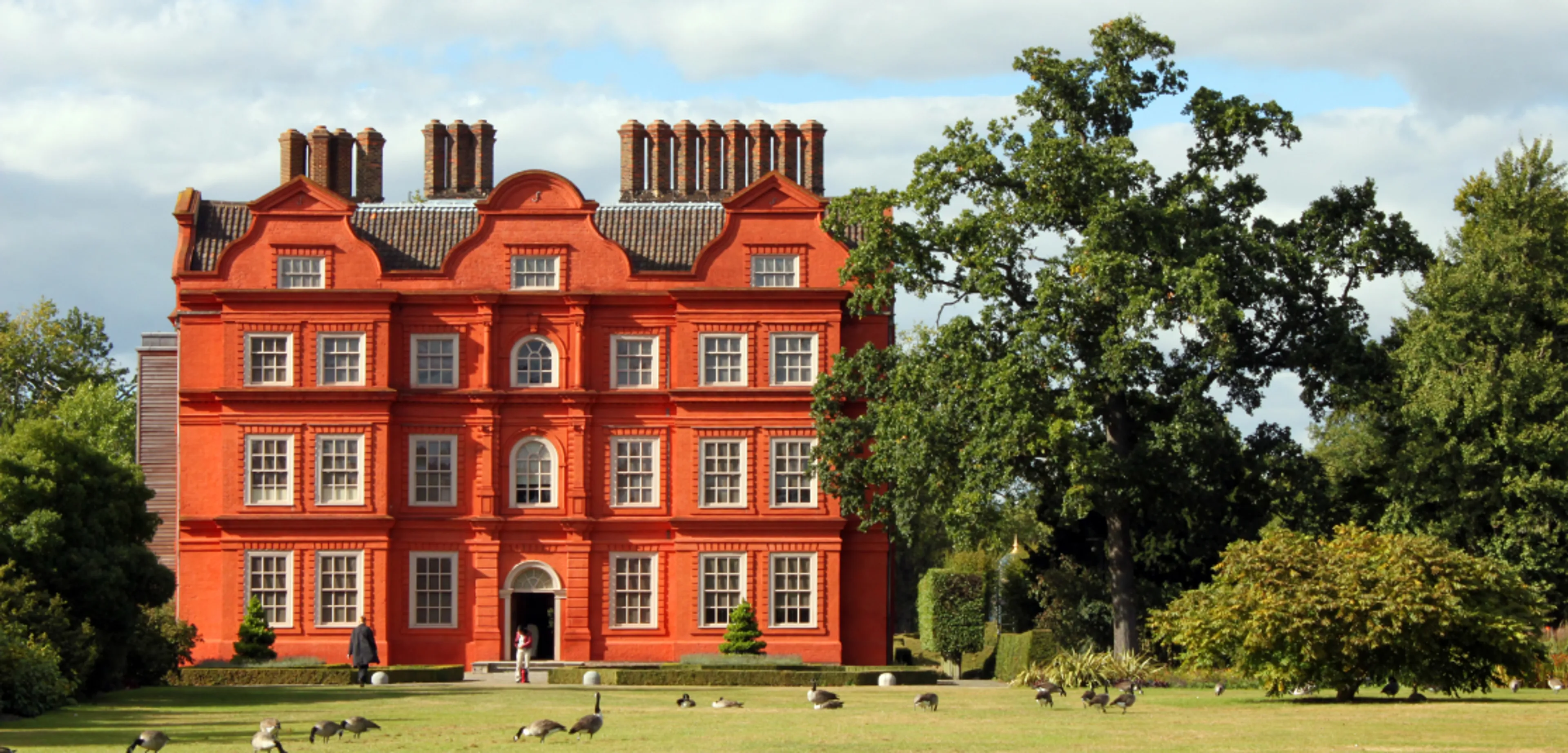
Kew's village atmosphere gives it the impression of a slower pace of life compared to the rest of London, offering relief from the daily grind and a beautiful work/life balance for those who live here. Nonetheless, it's brimming with amenities, from practicalities to pleasure, including independent shops and restaurants as well as enchanting green spaces.
Green spaces
Green spaces are an intrinsic part of Kew's local identity. Heavily influenced by the Royal Botanic Gardens, which include 500 acres of woodland and over 50,000 living plants, other areas enjoyed by residents include the open space at Kew Green, the Thames Towpath, and the nearby Old Deer Park for walking, cycling and relaxation - and home to London Welsh RFC and Richmond Cricket Club.
Sport
Wellbeing is built into the way of life in Kew, whether you are a keen sports player, or simply enjoy keeping fit and well. The green spaces frame that mindset, while lots of indoor and outdoor facilities in the area and close by offer an array of opportunities. For example, facilities at Old Deer Park support rugby, cricket and other outdoor activities; the river invites the chance to row and take part in other water sports; Kew Green features a historic cricket pitch and space for sport; nearby North Sheen Recreation Ground is a key spot for local football; and Westerly Ware Tennis Courts near Kew Bridge offers both courts and coaching. There are also lots of local gyms and fitness studios, from Active 360 to Funk Training Club in Richmond, Kew Gardens PT, to Visions Fitness Centre in Hawthorn.
Entertainment and culture
Kew offers a variety of entertainment and cultural appeal for residents, and of course it's also within easy reach of everything that central London has to offer. There are lots of community events throughout the year. For example, Kew Village Market takes place once a month, Kew Sparkle is Kew’s annual Christmas lights event, and the annual Kew The Music festival is a week-long summer festival of picnics and concerts. The area is home to The National Archives, and both Richmond Symphonic Concert Band and the Kew Sinfonia perform in the local area as well. Then, of course, there are the Royal Botanic Gardens as well.
Eating out
One of the beautiful things about Kew is the number of independent cafes and restaurants to enjoy, from breakfast and brunch to stylish dinners out. Kew Village, particularly around Station Parade and Sandycombe Road, is a hub of local dining, with popular favourites including Japanese tea spot Café Yukari, Q Verde is a long-established Italian restaurant, The Kew Gardens Hotel serves as a central pub and restaurant, and The Original Maids of Honour is a historic tearoom and bakery.
Shops
Kew Village is home to a mix of independent shops offering everyday conveniences and retail therapy. Largely these are centred around Station Parade and nearby streets, although residents also enjoy easy access to the wider retail offering of nearby Richmond and Chiswick. Kew Village Market is a regular event featuring more than 40 stalls as well as entertainment with popular stores ranging from The Kew Bookshop to Canopy for footwear, Zita Elze Flowers, to Posh Pups, and The Good Wine Shop Kew.

Healthcare
Those who live in Kew benefit from a strong network of healthcare services, both locally and in nearby Richmond, as well as central London, spanning both NHS and private practices.
Local GP practices
The area is served by a number of NHS and private GP surgeries across Kew and North Sheen, providing comprehensive care. Practices include, but are not limited to, Kew Medical Practice, Ashchurch Surgery, Richmond Medical Group Kew, and The Richmond Doctor.
Local hospitals
Several hospitals and urgent treatment centres are located in and around Kew, and residents also enjoy easy access to world-class medical facilities across London. The closest NHS hospitals are West Middlesex University Hospital, where they have a full range of acute services, including A&E, maternity, and cardiology; as well as Kingston Hospital, Richmond Royal Hospital, Queen Mary's Hospital, The Clementine Churchill Hospital and facilities in Richmond and central London.
Local dentists
Kew and the surrounding areas offer a range of NHS and private dental practices, with additional options available in Richmond. For example, practices include Gardens Dental Centre in Kew Village, Kew Bridge Dental near the bridge, and Quintidental on Sandycombe Road.
Education
Education in and around Kew spans a mix of historic independent schools, specialised nurseries, and excellent state schools. Kew's popularity amongst families seeking a vibrant urban life alongside the calm of a village environment is in no small part thanks to the educational options close by.
Primary schools
Kew offers a strong mix of state and independent primary education. The Queen's Church of England Primary School is highly rated Outstanding by Ofsted, and Darell Primary and Nursery School offers state education and an on-site nursery. Independent options include Broomfield House School and Kew College Prep, while local nurseries include Kew Green Nursery, Kew Day Nursery & Preschool and The Little Kew Nursery. Other popular choices include The King's Church of England Primary School, Marshgate Primary School, St Elizabeth's Catholic Primary School, and Deer Park School.
Secondary schools
Secondary schools in Kew and neighbouring areas including Richmond, Chiswick and west London, offer a variety of state and independent options. Popular locations range from Kew House School to Broomfield House School, Christ's School, Grey Court School, Hampton High, Teddington School, and more.
Specialist or higher education
For students requiring specialist education, Kew and the surrounding area offer a proficient range of supportive services. Kew House School provides specialist support for dyspraxia, dyslexia, autism, and ADHD, while Clarendon School is a day school for pupils aged seven to 16 with complex needs as well as moderate learning difficulties.
Kew is also within easy reach of London's leading universities and colleges making it a convenient base for students and academics. Amongst the closest is the University of West London (UWL), Imperial College London, King's College London, London School of Economics and Political Science (LSE), and the University of the West of Scotland (UWS) London Campus.
Transport
Kew’s everyday convenience is one of its quiet strengths, combining connectivity with central London along with a walkable local layout.
Driving in
The South Circular and Kew Bridge provide quick access across the river to the M4 and Heathrow Airport. Kew Road also connects you directly to Richmond and the A316, linking to the M3. It is a Ultra Low Emission Zone (ULEZ), but it's outside the congestion zone, and there is parking available both on the street and in council car parks.
Walking and cycling
Kew’s layout makes it a wonderful place for those who seek an active lifestyle with time spent outside, whether it’s travelling on foot or cycling for pleasure. Streets near North Road and Darell Road are popular for walkable access to local schools, while riverside paths and quiet residential streets make walking and cycling an integral part of daily life.
Travelling by train
Kew Gardens station provides District line and London Overground services into central London, while also being a central point in Kew Village. Kew Bridge Station is served by South Western Railway with trains running from London Waterloo.
Travelling by bus
A range of bus routes connect Kew with Richmond, Chiswick, Hammersmith and central London, providing reliable alternatives to rail. In particular, routes 65 and 110 serve the area, with the 65 stopping near Kew Gardens' Elizabeth Gate, Victoria Gate, and Lion Gate.
Travelling by boat
River Boat services from nearby Richmond Pier offer a scenic way to travel along the Thames towards central London, particularly during warmer months. Equally, Kew Pier is situated on the South Shore of the River, East of Kew Bridge, also offering transport between Westminster and Kew or Richmond and Hampton Court.
Air travel
Heathrow is the closest airport to Kew, offering easy access on the London Underground in around 40 minutes. In addition, Gatwick is accessible by taking the South Western Railway from Richmond or Kew Gardens to Clapham Junction, then a direct train to Gatwick.